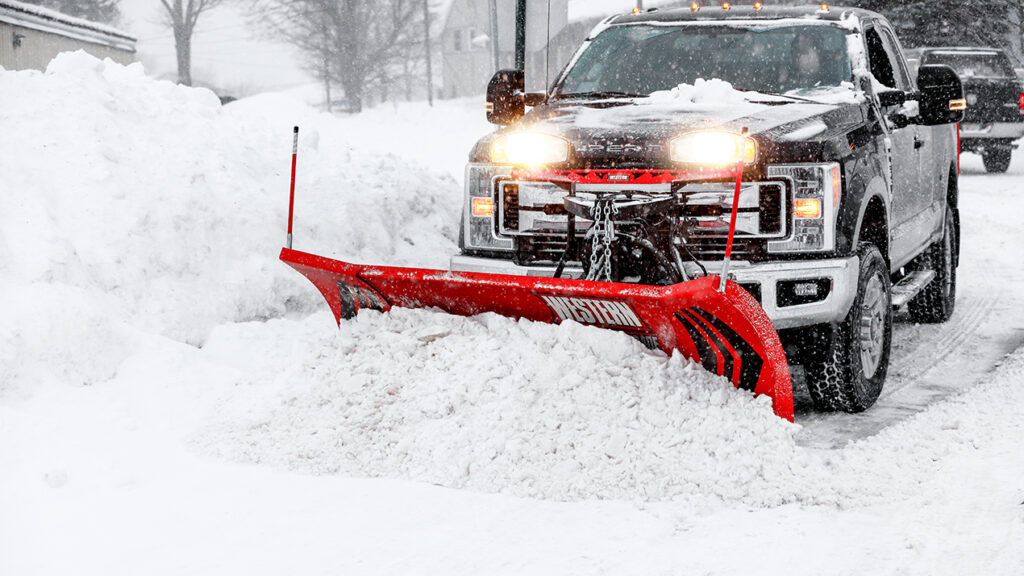
Western MVP 3 vs Fisher XV2: Which V-Plow to Buy
Discover the key differences between the Western MVP 3 and Fisher XV2 V-plows to find the perfect fit for your snow-clearing needs. Which will you choose?
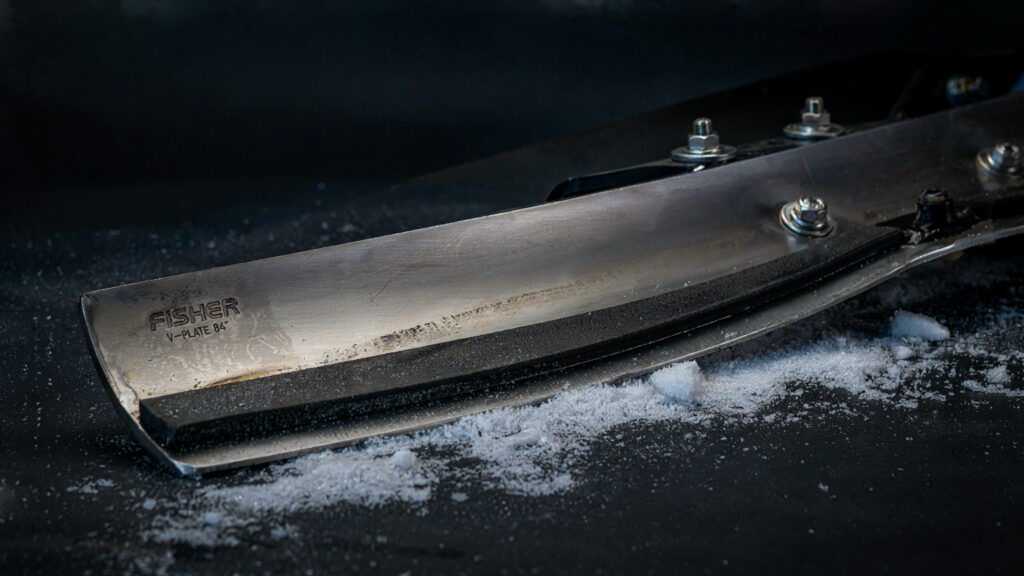
The Western MVP 3 and the Fisher XV2 are built by the same company. Douglas Dynamics owns both brands, the two plows share dimensions almost exactly, and their components are broadly cross-compatible. If you are trying to decide between them on engineering grounds, you are looking for a difference that mostly is not there.
What follows is what genuinely separates them, and the factor that should actually decide it.
Side by side
| Western MVP 3 | Fisher XV2 | |
|---|---|---|
| Widths | 8′6″ – 10′6″ | 8′6″ – 10′6″ |
| Flared wings | Up to 45″ | Up to 45″ |
| Blade height | 35″ centre rising to 45″ at the wing tips (HD 10′6″) | Flared profile, comparable rise |
| Materials | 14-gauge powder-coated, stainless, or 1/4″ poly (8′6″ and 9′6″); 11-gauge powder-coated or 12-gauge stainless (10′6″) | Steel and stainless options |
| Cutting edge | Model dependent | 6″ high-carbon edge |
| Parent | Douglas Dynamics — components broadly cross-compatible | |
Specifications from current MVP 3 listings; both brands sit under Douglas Dynamics.
Reading the gauge numbers correctly
Gauge runs backwards: a lower number means thicker steel. An 11-gauge moldboard is heavier and more rigid than a 14-gauge one, not lighter. Western publishes 14-gauge on the 8′6″ and 9′6″ MVP 3 and steps up to 11-gauge on the heavy-duty 10′6″, which is the sensible engineering choice — a wider blade needs more section to resist twisting.
The practical implication is about weight, not durability alone. A thicker, wider blade eats into your front axle capacity, which is the constraint that governs what you can legally mount. That trade-off is covered in our commercial truck plow guide.
The flared wing, and why V-plows are specified this way
Both plows flare from a lower centre to a taller outer edge, reaching around 45″ at the wing tips on the largest models (brand comparison data). The purpose is containment in scoop position: the taller outer edge holds snow that a flat-profile blade spills as you carry a full load across a lot. It is the feature that makes a V-plow worth its premium over a straight blade on long carries.
So which should you buy?
On specification, this is close to a coin toss, and anyone telling you one is decisively better is selling something. The honest deciding factors are:
- Which brand your nearest dealer services. Western and Fisher are deliberately sold through separate dealer networks, so in most territories only one is genuinely local. Mid-storm parts availability will affect your season far more than any specification in the table above — see our dealer guide.
- What is already in your fleet. Standardising on one brand means one set of spare hoses, solenoids and controllers rather than two.
- Material choice within the model. Poly versus stainless versus powder-coated steel affects weight, corrosion and snow release more than the badge does.
If you are cross-shopping outside the Douglas Dynamics family, our Western versus Meyer comparison covers a genuinely different engineering choice.
Frequently asked questions
Are Western and Fisher plows the same?
Not identical, but siblings — both are Douglas Dynamics brands with broadly cross-compatible components and closely matched specifications. They are sold through separate dealer networks, which is usually the real difference where you live.
What is the difference between the MVP 3 and the XV2?
Very little on paper. Both span 8′6″ to 10′6″ with flared wings to roughly 45″. The XV2 is specified with a 6″ high-carbon cutting edge; the MVP 3 offers a wider published range of moldboard materials including poly and stainless. Dealer support should decide it.
Is a 14-gauge blade weaker than an 11-gauge?
Yes — lower gauge numbers mean thicker steel. 11-gauge is heavier and more rigid than 14-gauge. Western uses the heavier material on the widest MVP 3, where twisting loads are highest.
What size truck do I need for a 10′6″ V-plow?
A one-ton in practice. Check your front gross axle weight rating before ordering, because a wide heavy-gauge V-plow is among the heaviest things you can hang ahead of the front axle.
Kirk Davies
EditorialWith a career spanning over two decades in the snow and ice industry, and former owner of RWB Snow Service Group, Kirk propelled the company to the forefront of the industry while setting new standards for operational excellence and customer service. Kirk's contributions extend beyond his business achievements. He is a respected thought leader who shares his knowledge and insights throughout the snow and ice industry.
Price your next snow job in 60 seconds.
Estimate per-push, per-inch and seasonal pricing for any lot.