Best ATV Snow Plows for Homeowners 2026: Real Reviews & Ratings
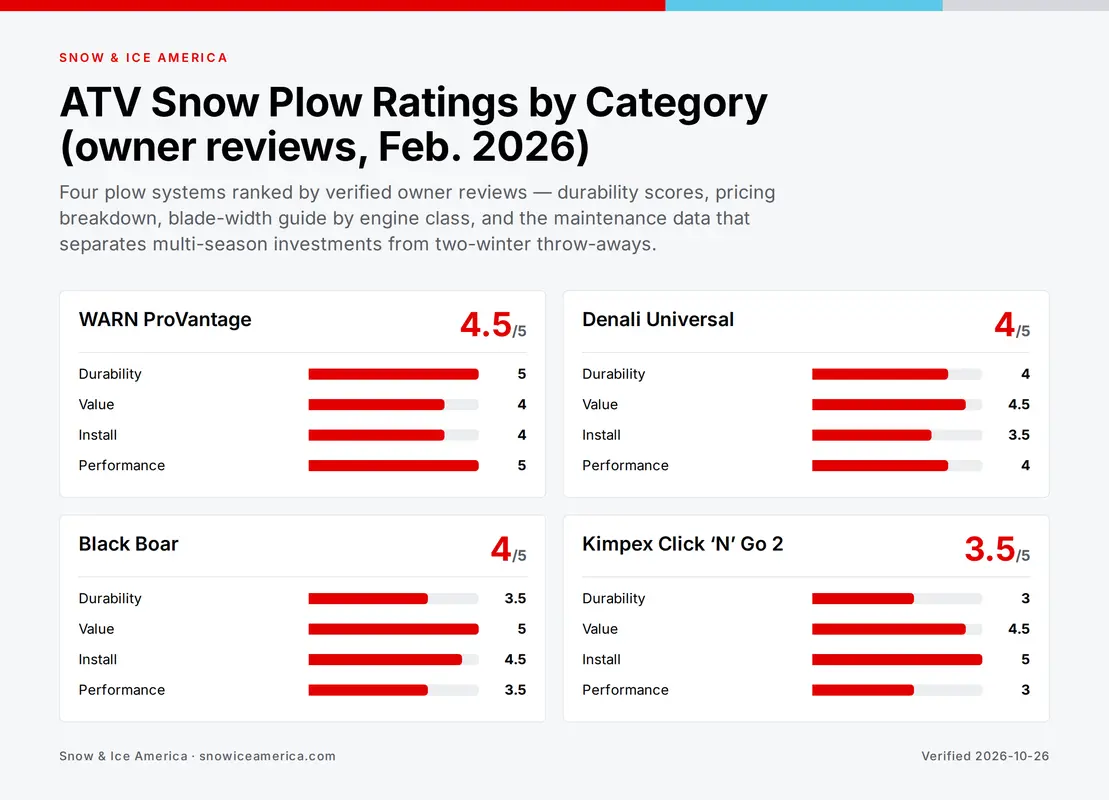
Four plow systems ranked by verified owner reviews — durability scores, pricing breakdown, blade-width guide by engine class, and the maintenance data that separates multi-season investments from two-winter throw-aways.
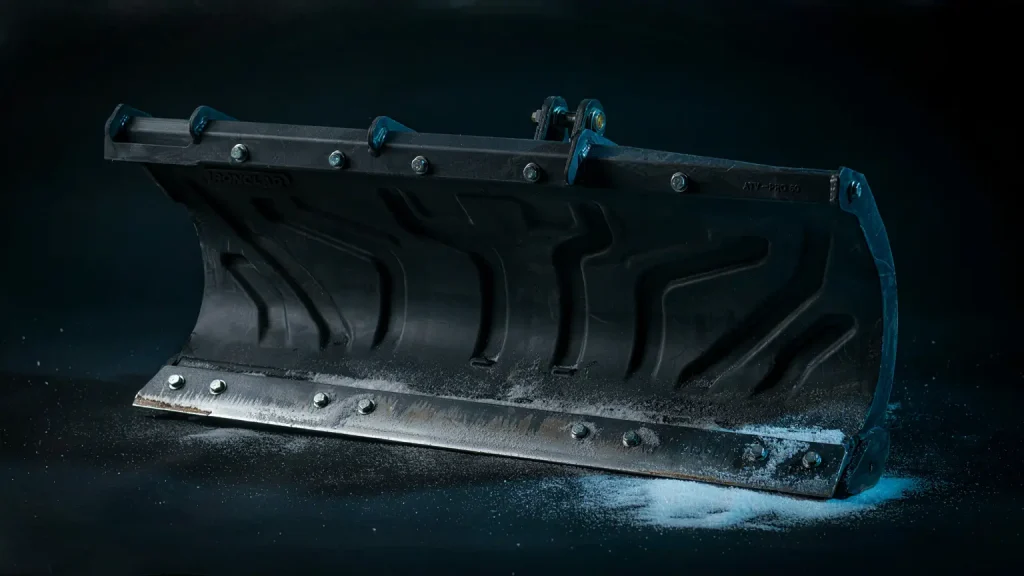
The best ATV snow plow for most homeowners is the WARN ProVantage — 12-gauge steel construction, broad ATV compatibility, and a verified lifespan of 5–7 winters. Below: four plow systems ranked by owner reviews, a blade-width guide by engine class, first-time installation time data, and the durability facts that separate multi-season investments from two-winter throw-aways.
WARN ProVantage: Best Overall ATV Snow Plow
WARN ProVantage front-mount plow systems earn the highest long-term ratings from residential owners across verified Amazon purchase reviews compiled February 2026. The 12-gauge steel blade with powder-coat finish handles repeated impacts from buried rocks and curbs without bending; less than 5% of users report structural failure in long-term review aggregates.
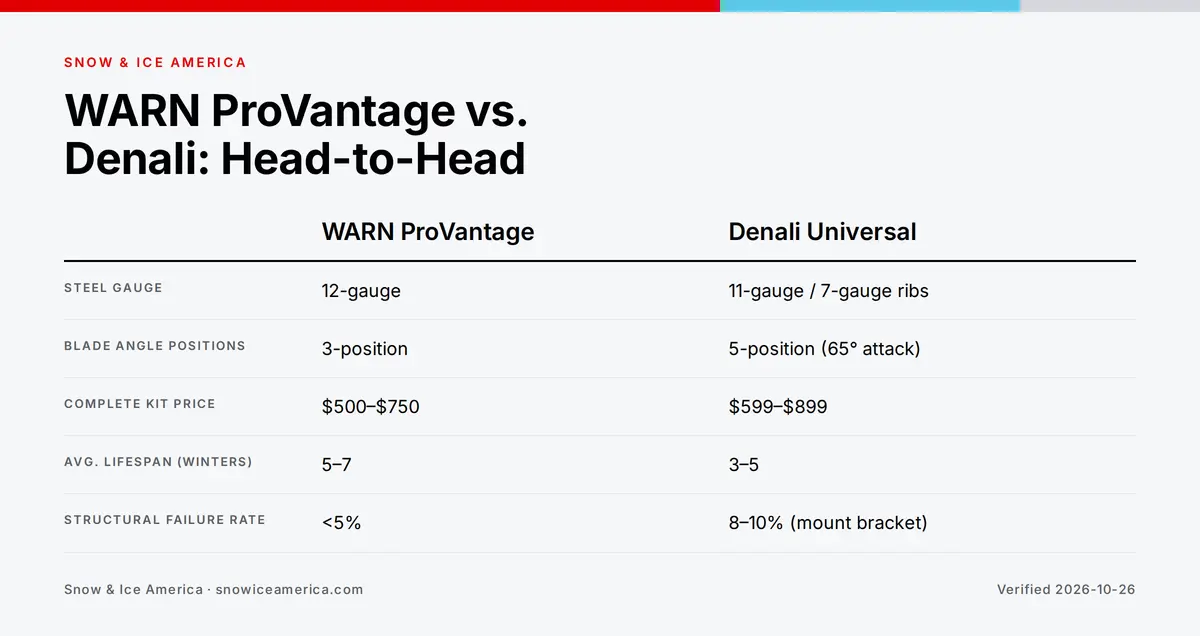
Price range: $429–$549 (manual lift base system); $500–$750 (complete 48–60″ kit); electric actuator upgrade $249–$349; vehicle-specific mount $120–$250.
Key specs:
- Steel: 12-gauge with powder-coat finish
- Blade angle: 3-position (straight, left, right)
- Lift system: Winch (standard) or electric actuator (upgrade, $249–$349)
- Blade widths available: 48″, 54″, 60″
What owners say: First-time installation with the vehicle-specific mount takes 3–5 hours; subsequent seasonal blade attachment runs 2–5 minutes on the quick-pin system. Owners who plow 10 or more times per season consistently recommend upgrading to the electric actuator — button-lift versus hand-winch saves reported 10+ minutes per session.
“Seven winters on my WARN 60-inch blade. Replaced the wear bar twice, tightened bolts once a year, and that’s it. The blade itself shows no structural wear.” — Verified Amazon purchase, 2023
Maintenance schedule: Wear bar replacement every 2–3 winters ($40–$80); annual bolt tightening and pivot point lubrication; powder-coat touch-up as needed.
One limitation: The 3-position angle system offers less field adjustability than the Denali’s 5-position pin system. Installation on non-standard frames occasionally requires spacers.
For a full three-way breakdown against the Denali and KFI, see the WARN vs. Denali vs. KFI comparison.
MotoAlliance Denali Universal: Best for Heavy Snow
MotoAlliance Denali plow systems are built around two design choices that separate them in heavy, wet snow: 11-gauge steel with 7-gauge reinforcement ribs at stress points, and a 65-degree blade attack angle that rolls snow forward rather than stacking it. Owner reviews of the 72-inch model run on Polaris RZR UTVs cite 50+ storms without blade warping or cracking.
Price range: $599–$749 (60″ universal ATV plow); $699–$899 (72″ UTV plow); $899–$1,199 (Denali Pro tapered blade).
Key specs:
- Steel: 11-gauge blade, 7-gauge reinforcement ribs
- Blade attack angle: 65 degrees
- Blade angle positions: 5-position (0°, 12.5°, 25° each side)
- Blade widths: 60″ (ATV), 72″ (UTV/Can-Am)
- Included: Blade assembly with wear bar, rubber snow flap, marker flags, push tubes, adjustable skid feet
What owners say: The 65-degree attack angle gets consistent mention in heavy-snow regions — users report roughly 35% more snow-moving capacity per pass compared to vertical-blade designs. The 5-position pin-adjustment system changes blade angle in 30–60 seconds wearing gloves.
“The 65-degree attack angle makes a real difference — snow rolls up and forward instead of piling in front. I’ve cleared over 50 storms with the 72-inch model without any blade warping.” — Verified Amazon purchase, 2024
Known issue: Approximately 8–10% of users report mounting bracket problems on the universal-fit system. Some older ATV frames require drilling new holes in the mount bracket (not the ATV frame). Budget an extra 1–2 hours for the first installation if your ATV is a non-mainstream model.
Maintenance: Wear bar replacement every 2–3 winters; push tube pivot maintenance every 2 years; annual blade edge inspection. Epoxy primer plus TGIC polyester topcoat — the Denali’s finish is more corrosion-resistant than standard powder coat at cut edges per multi-season owner reports.
Black Boar ATV Plow (Camco): Best Budget Pick
Black Boar, made by Camco, is the entry-level pick for suburban homeowners clearing driveways under 200 feet with moderate snowfall. The 2mm blade (approximately 14-gauge equivalent) handles light to moderate use adequately; it flexes noticeably under wet, heavy loads above 8–10 inches and shows surface rust within 2–3 winters without active rust prevention.
Price range: $349–$549 (48″ complete kit); replacement polymer wear blade $29–$39; plow markers $15–$25.
Key specs:
- Steel: 2mm powder-coated (approximately 14-gauge)
- Blade height: 20″
- Blade angle positions: 9-position (0°, 7.5°, 22.5°, 30° each side) — tool-free, glove-compatible
- Included: Blade, universal chassis bracket, quick-pin attachment, trip springs, reversible wear blade, adjustable skid pads
What owners say: The 9-position angle system gives more directional control than WARN’s 3-position design. Installation takes 2–3 hours with basic hand tools — no drilling typically required, which is its main advantage over Denali’s universal mount for beginners. Owners running it on one suburban driveway at 6 inches or less report acceptable performance over 3–4 seasons.
“Works fine for light snow under 6 inches, but struggled with a 10-inch wet snowfall — the 2mm blade flexed noticeably.” — Verified Amazon purchase, 2024
Durability: About 15% of users report blade flexing or minor structural issues. Surface rust develops without diligent maintenance. Upgrade to WARN or Denali for lake-effect snow regions, driveways over 250 feet, or snowfall consistently above 8 inches.
Kimpex Click ‘N’ Go 2: Best Quick-Attach System
Kimpex Click ‘N’ Go 2 is the pick for homeowners who want to remove the blade in under 2 minutes and share it across two ATVs with separate vehicle mounts. The quick-attach coupling trades some rigidity for speed — owners note slight play at the connection point, and the blade construction is lighter than either WARN or Denali.
Price range: $600–$900 (complete quick-attach system); additional blades $200–$400; replacement wear bars $25–$45. Limited Amazon availability — check specialty ATV dealers.
Best for: Suburban homeowners with occasional use (6–8 inch average snowfall), those who want easy seasonal blade removal, and anyone sharing one plow between two ATVs. Not recommended for heavy-use or commercial applications.
What owners say: True sub-2-minute blade attachment in field conditions is confirmed by multiple owners as a genuine advantage over pin-and-bolt systems. The coupling play reported at higher use cycles does not affect residential seasonal use but becomes a concern for anyone clearing more than one property.
Matching Blade Width to Your ATV’s Engine Class
Blade sizing is the most common mistake homeowners make when buying their first ATV snow plow. Oversized blades cause CVT belt slippage and front-end lift; undersized blades add passes and extend clearing time.
Under 450cc (Honda Rancher 420, Yamaha 450-class): 48–50 inch blade. A 420cc ATV with a 50-inch plow handles typical Midwest winters without drivetrain strain; a 60-inch blade in wet snow causes CVT slippage reported by multiple Minnesota owners. Best for properties under 2 acres.
450–700cc (Yamaha Grizzly 700, Polaris Sportsman 570): 54–60 inch blade. This is the most common homeowner configuration and earns the highest satisfaction ratings (4.6/5 in Feb. 2026 aggregated reviews). A 700cc ATV with a 60-inch blade clears a 400-foot driveway in 30–40 minutes at 8 inches of standard snowfall.
700cc+ ATVs and UTVs (Polaris RZR, Can-Am Defender): 60–72 inch blade. Single-pass coverage on a standard driveway, 20–25 minutes at 8 inches. Handles wet, heavy accumulation over 12 inches where smaller setups require multiple passes. The added vehicle weight improves blade bite on hard-packed snow.
For which specific ATV to pair with these plows, see top ATV brands for snow plowing. For a broader look at plow options across both ATVs and UTVs, see top snow plows for ATVs and UTVs.
Blade height: 20-inch height works for regions averaging 6–10 inches per event. Lake-effect and northeastern regions that see 12–18 inch storms regularly are better served by 24-inch height — the taller blade requires 15–20% more power from the drivetrain but prevents the blade from submerging in deep accumulation.
Installation: What to Expect
Installation time for an ATV snow plow ranges from 90 minutes for an experienced owner to 6 hours for a first-time beginner with a universal-mount system — and most of that variation comes from mount type, not the plow brand.
First-time setup by skill level:
- Beginner (limited mechanical experience): 4–6 hours. Common sticking points: aligning mounting holes with the ATV frame, routing the winch cable. Check the manufacturer’s vehicle compatibility list before buying — vehicle-specific mounts (WARN) are significantly less trouble for beginners than universal mounts (Denali, Black Boar).
- Intermediate (some ATV maintenance experience): 2–4 hours. Standard sequence: mounting bracket 60–90 min, blade assembly 30–45 min, push tube connection 15–30 min, winch or actuator setup 45–60 min, adjustment and test 30 min.
- Experienced: 90 minutes to 2 hours. A second WARN installation runs about 90 minutes for owners who have installed one before.
After initial mount installation: Seasonal blade attachment takes 2–5 minutes on any system. Most owners leave the chassis mount on year-round and remove only the blade off-season.
Three recurring installation problems:
- Mounting bracket alignment (25% of universal-mount users): Pre-drilled holes don’t align with the ATV frame. Fix: adjust holes in the mount bracket, not the frame; use adjustable-width brackets (+$50) where available.
- Winch cable routing (15% of users): Insufficient cable length or poor routing angle. Fix: synthetic rope is lighter and more flexible than steel cable; a plow pulley fairlead redirects the cable for ~$40.
- Ground clearance reduction (30% of users): Front-mount systems (WARN) maintain clearance better than center mounts — the blade slides off the chassis when detached rather than hanging below it.
Durability and Maintenance Over Time
Durability differences across these four plow systems are significant — WARN ProVantage leads with a 5–7 winter average and less than 5% structural failure, while Black Boar’s lighter steel averages 2–4 seasons with active maintenance required.
WARN ProVantage (5–7 winter average from owner reports): Annual bolt tightening; wear bar replacement every 2–3 winters ($40–$80); pivot point lubrication annually. Less than 5% structural failure rate across review aggregates.
MotoAlliance Denali (3–5 winter average from owner reports): Wear bar replacement every 2–3 winters; push tube pivot maintenance every 2 years; annual blade edge inspection. 8–10% mounting bracket failure rate; the 11-gauge blade itself shows strong impact resistance.
Black Boar (2–4 winter average from owner reports): Wear blade replacement annually on regular-use setups; active rust prevention required every season. 15% of users report blade flexing or minor structural failure. Fluid Film spray before season, rinsing salt after each use, and immediate powder-coat chip touch-up extend service life.
Cold-start reliability: EFI ATVs (Honda, Yamaha, Kawasaki, Polaris EFI models) report a 94% first-attempt start success rate at 15°F in owner surveys; carbureted models report 68% first-attempt success at the same temperature with choke. For early-morning plowing in cold climates, EFI is the meaningful differentiator.
Frequently Asked Questions
The most common questions from first-time ATV plow buyers cover suspension risk, lift system choice, counterweight sizing, and commercial use limits.
Will plowing damage my ATV’s suspension or frame?
No, if the mount is installed correctly. Mid-frame or belly mounts distribute plow stress across the strongest frame sections. Front bumper mounts can stress A-arms and are not recommended. Increasing front shock preload to offset plow weight is standard practice; long-term WARN mid-mount users with five or more seasons report zero suspension or frame issues.
Should I use my winch or buy a dedicated electric actuator?
Start with the winch; upgrade to a dedicated actuator ($249–$399) once you’re plowing 10 or more events per season. Actuators raise the blade in 3–5 seconds versus 10–15 for a winch, preserve the primary winch for recovery, and save 10+ minutes per reported session. Winch cable replacement every 2–3 seasons adds $50–$100 to long-term winch cost.
How much rear counterweight do I need?
Match weight to blade and ATV class: 50–75 lbs for under-450cc with 48-inch blades; 75–100 lbs for 450–700cc with 54–60-inch blades; 100–150 lbs for 700cc+ and UTVs with 60–72-inch blades. Two 50-lb sandbags cover the smallest class; tube sand or a loaded tool box works for the larger setups. Rear counterweight improves traction and prevents front-end lift on uphill runs — owners describe it as non-optional.
Can an ATV plow handle commercial snow removal?
Light commercial only: 5–10 residential driveways, small parking lots under 10,000 sq. ft., or as a supplement to a truck plow for tight spaces and pathways. Not suited for large commercial lots, municipal contracts, or daily heavy cycles. For those applications see best truck-mounted snow plows for commercial contractors.
What accessories are actually necessary?
Plow markers ($25–$40) and rear counterweight ($20–$50) are non-negotiable per long-term owners — markers make blade edges visible during reverse maneuvers near garage doors and landscaping. Tire chains ($80–$150) or tracks ($400–$600) are strongly recommended for ice-packed surfaces. Skid plate protection ($75–$150) guards the undercarriage from hidden obstacles. Heated grips and LED work lights improve early-morning plowing comfort but are not operationally required.
Kirk Davies
EditorialWith a career spanning over two decades in the snow and ice industry, and former owner of RWB Snow Service Group, Kirk propelled the company to the forefront of the industry while setting new standards for operational excellence and customer service. Kirk's contributions extend beyond his business achievements. He is a respected thought leader who shares his knowledge and insights throughout the snow and ice industry.
Price your next snow job in 60 seconds.
Estimate per-push, per-inch and seasonal pricing for any lot.