
Winter Weather Triggers Elevated Demand for Snow Removal Contractors
The season’s first major winter weather system is impacting large portions of the United States, placing millions under winter storm warnings, winter weather advisories, and extreme cold alerts. For snow removal contractors and ice management professionals, this system represents a critical operational period where response timing, material strategy, and documentation directly affect safety, liability, and contract performance.
From the Midwest through the Northeast, forecast models show accumulating snowfall paired with prolonged sub-freezing temperatures. These conditions increase service frequency, elevate slip-and-fall risk, and demand continuous monitoring for refreeze events.
National Weather Alerts Signal Sustained Snow and Ice Operations
The National Weather Service (NWS) has issued widespread alerts covering snow accumulation, ice formation, and dangerously low wind chills. For contractors servicing commercial properties, industrial sites, and municipal contracts, these alerts often activate:
- Multiple plow triggers within short windows
- Zero-tolerance ice management requirements
- Extended service hours across consecutive days
Snowfall rates in some regions are expected to exceed standard plowing cycles, while colder pavement temperatures increase the likelihood of black ice and hard-pack conditions.
Washington State Faces Flooding Now, Freeze Later
While much of the country is locked into winter conditions, Washington State is currently experiencing spring-like temperatures and heavy rainfall, leading to localized flooding, saturated ground conditions, and runoff concerns.
However, meteorologists warn that this pattern is temporary. Colder air is expected to move into the Pacific Northwest after Christmas, shifting conditions rapidly from rain and flooding to freezing temperatures, frost, and potential low-elevation snow.
For snow and ice contractors operating in Washington, this transition presents a unique risk window:
- Wet surfaces freezing overnight
- Drainage areas turning into ice hazards
- Increased demand for anti-icing and pretreatment as temperatures drop
Early preparation will be critical as conditions flip from rain management to ice control in a short timeframe.
Extreme Cold Strains Crews, Equipment, and De-Icing Strategy
Sustained cold temperatures across much of the country are placing added pressure on snow removal operations. Hydraulic systems, batteries, and spreaders are more susceptible to failure, while standard rock salt loses effectiveness as pavement temperatures decline.
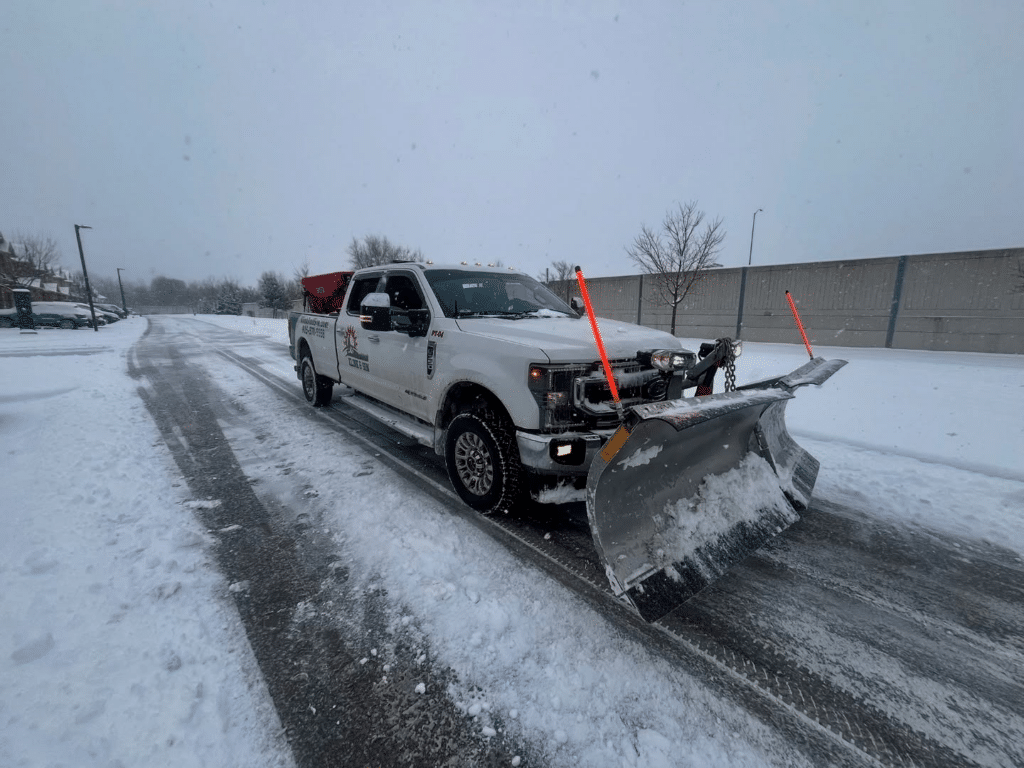
Contractors should expect:
- Increased material usage
- Higher fuel consumption
- Longer route completion times
- Greater wear on equipment
Liquid de-icers, blended products, and proactive pretreatment strategies become essential as temperatures remain below seasonal norms.
Elevated Travel Risk Increases Contractor Liability Exposure
Snow-covered roads, icy access points, and reduced visibility significantly increase accident potential for both the public and service fleets. For snow removal contractors, risk management and documentation are as critical as physical service delivery.
Best practices during prolonged winter events include:
- Time-stamped service logs
- Weather condition records
- Before-and-after site photos
- Clear communication with property managers
These measures help protect against slip-and-fall claims and service disputes during extended or overlapping storm cycles.
What Snow Removal Contractors Should Expect Next
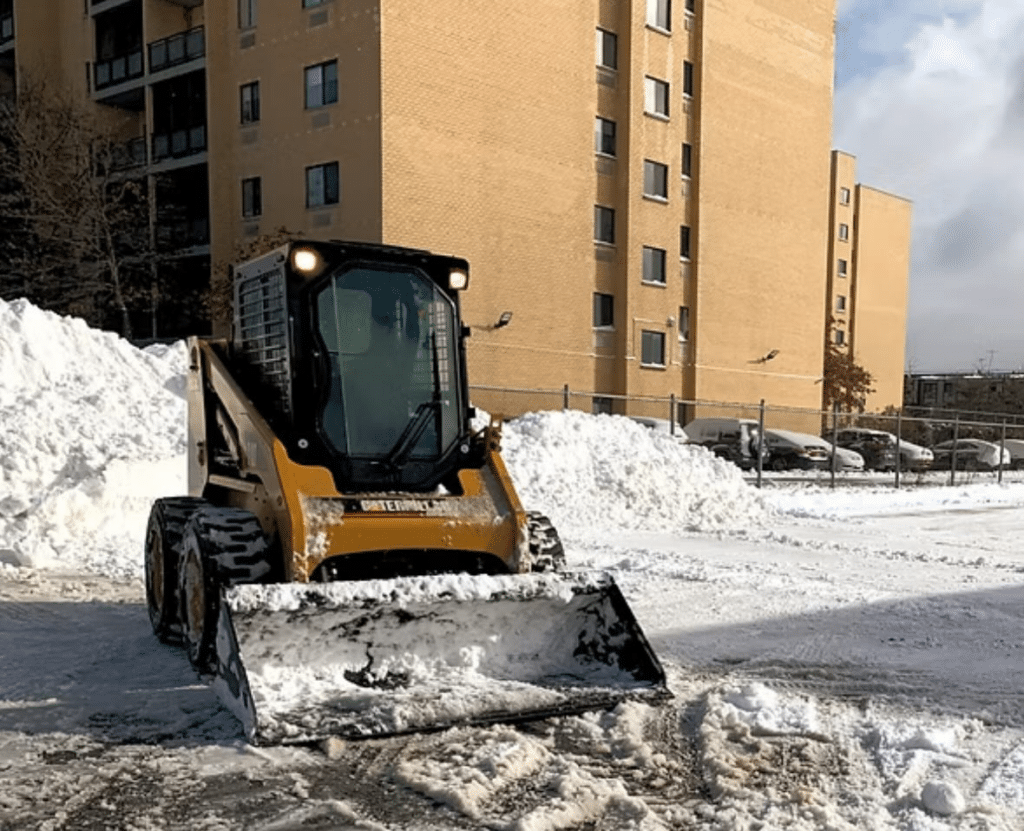
Forecasts indicate that while snowfall may ease in some regions, cold air is expected to persist, extending ice management requirements well beyond initial plowing operations. In regions like Washington, the post-Christmas temperature drop may create new service demand following days of rain and flooding.
Contractors should prepare for:
- Continued de-icing and site monitoring
- Increased client communication and reporting
- Extended operational timelines
- Rapid weather pattern shifts requiring flexible response
Winter systems like this reinforce a core reality of the snow removal industry: success is defined not only by clearing snow, but by managing risk, maintaining compliance, and delivering consistent performance as conditions evolve.