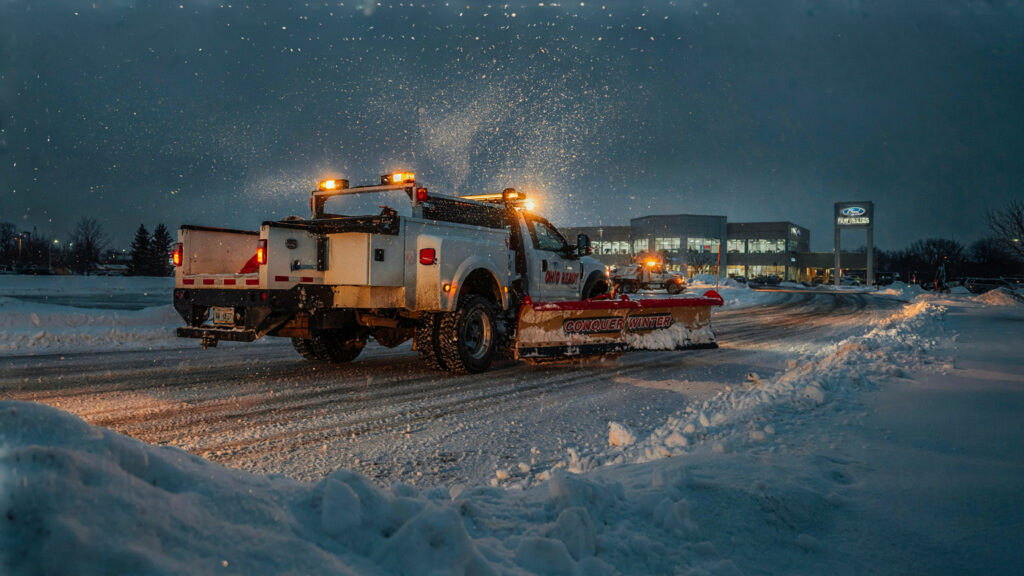
How Much to Charge for Snow Plowing Parking Lots in 2025: A Complete Pricing Guide
Knowing the essential factors for pricing snow plowing services in 2025 can maximize your profits—discover the strategies that will keep you ahead.
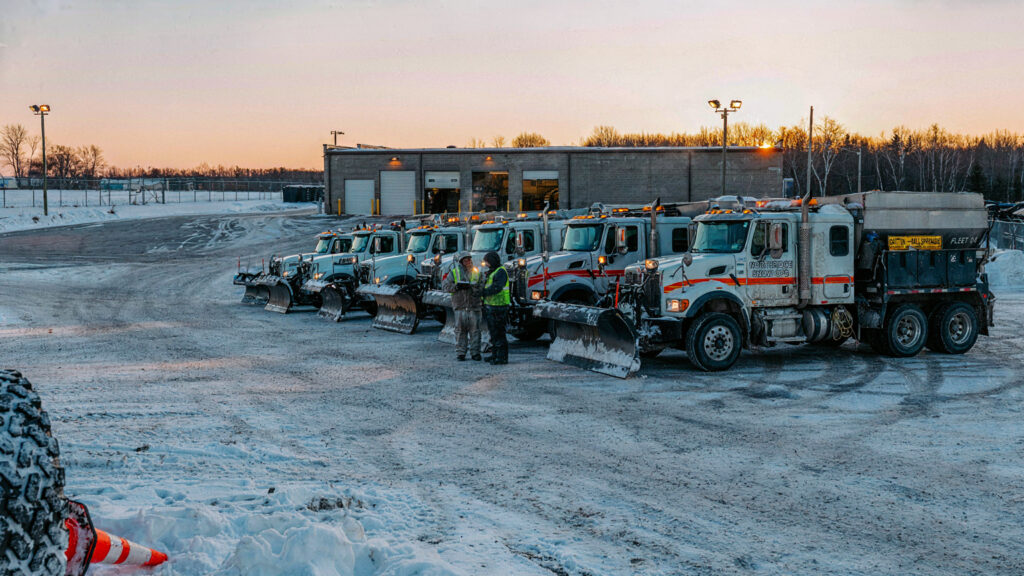
In 2025, snow plowing rates for parking lots will hinge on several factors like regional demand, service quality, and operational costs. Typically, you’ll see prices increase during heavy snowfall and in urban areas compared to rural ones. Consider labor costs, equipment maintenance, and material prices when setting rates. Furthermore, choosing between a per inch model or flat rate can affect profitability. There’s more to uncover about these pricing strategies, so keep exploring the key details.
Quick Summery
- Analyze local snowfall patterns and demand trends to adjust pricing for peak seasons effectively.
- Consider a pricing model that best fits your clientele, such as per inch or flat rate.
- Evaluate labor, equipment, and material costs to ensure profitability in your pricing strategy.
- Research competitor rates in your region to remain competitive while maintaining service quality.
- Communicate the value of your services, including reliability and timeliness, to justify pricing.
Understanding the Factors That Affect Snow Plowing Rates
When it comes to snow plowing rates, several factors come into play that can influence the final cost. One significant aspect is market demand. During peak snowfall seasons, demand for snow plowing services usually increases, which can drive up prices.
Conversely, during milder winters, rates may drop.
Service quality additionally plays a vital role in determining what you’ll pay. Higher-quality services often come at a premium, reflecting their reliability, equipment, and expertise.
You might find that companies offering exceptional service are worth the extra cost, especially when timely snow removal is fundamental for safety.
Understanding these factors can help you make informed decisions, ensuring you get the most value for your investment in snow plowing services.
Regional Pricing Variations for Snow Plowing Services
Regional pricing variations for snow plowing services can be significant, largely due to differences in weather patterns, local demand, and the cost of living.
To understand these variations, consider the following factors:
- Regional Demand: In areas with heavy snowfall, demand spikes, allowing you to charge more.
- Competition Analysis: Research local competitors’ rates; this helps you set competitive prices that attract clients as well as ensuring profitability.
- Cost of Living: In urban regions, higher living costs often lead to higher service rates compared to rural areas.
Cost Breakdown: Labor, Equipment, and Materials
Understanding the cost breakdown for snow plowing services is vital for setting competitive prices and ensuring profitability.
First, labor costs are a significant factor; you’ll need to account for wages, benefits, and any overtime during peak snow events.
Next, consider equipment maintenance. Your plows and trucks require regular upkeep to function efficiently, and neglecting this can lead to costly repairs.
Furthermore, factor in fuel costs, which can fluctuate based on market prices.
Don’t forget about materials like salt and sand, which you’ll need for effective snow removal.
By analyzing these components, you can create a thorough pricing strategy that covers your expenses, remaining attractive to clients.
Mastering this cost breakdown is critical for your business’s success.
Pricing Models: Per Inch vs. Flat Rate
Choosing the right pricing model for snow plowing can greatly impact your business’s profitability and client satisfaction. You’ve got two main strategies: per inch and flat rate. Each has its pros and cons, and understanding them is essential for your service agreements.
- Per Inch: This model allows you to charge based on snowfall depth, making it fair for both you and your clients.
- Flat Rate: A fixed price regardless of snowfall can simplify billing and provide predictable income.
- Hybrid Approach: You might combine both, charging a base fee plus an additional amount for heavy snowfall.
Evaluating these pricing strategies will help you align with client expectations as you maximize your profits. Choose wisely!
Tips for Contractors: Setting Competitive Yet Profitable Rates
When it comes to setting competitive yet profitable rates for snow plowing, you need to contemplate several key factors that can influence your pricing strategy.
Start with thorough market research to understand what your competitors are charging. This helps you gauge industry standards and sets a baseline for your rates.
Next, consider customer expectations; clients often expect quality service at fair prices. Communicate the value you provide, whether through reliability, speed, or additional services.
Factor in your operational costs, including labor, equipment, and overhead, to guarantee profitability.
Finally, be flexible—evaluate your rates periodically based on changing conditions, like demand and inflation. Striking the right balance will help you attract customers as well as maintaining a healthy profit margin.
Kirk Davies
EditorialWith a career spanning over two decades in the snow and ice industry, and former owner of RWB Snow Service Group, Kirk propelled the company to the forefront of the industry while setting new standards for operational excellence and customer service. Kirk's contributions extend beyond his business achievements. He is a respected thought leader who shares his knowledge and insights throughout the snow and ice industry.
Price your next snow job in 60 seconds.
Estimate per-push, per-inch and seasonal pricing for any lot.